
Falls are the most common cause of injury in children taken to hospital, especially those under age 5.
Babies can fall when they roll over and move around for the first time.
It is impossible to prevent all falls from happening. But you can take steps to reduce the risk or prevent serious injury.
Where falls happen
Falls in babies and young children usually happen from a height.
This could be from:
- raised surfaces like a changing table, counter top or table
- windows or balconies
- baby walkers
- steps and stairs
- television stands
- sofas, couches and chairs
- furniture like chests of drawers, bookcases and coat stands
- play equipment like trampolines, slides and swings
- beds and bunk beds
- washing machines, dishwashers and dryers
If your baby falls
If your baby falls, check them for injuries. Take them to your GP or injury unit if you are concerned.
A bone in your baby's leg or arm may be broken if:
- they have pain and swelling
- they are not using the limb
- the limb seems to be lying at a strange angle
If your baby hit their head, look for signs of head injury.
First aid for children and babies
Babies and children - when to go to an emergency department
Preventing falls in babies
Most injuries to babies are preventable. Constant supervision and safe use of equipment will help.
But babies are eager to explore their environment.
Injuries can happen when parents and other carers underestimate what their baby can do.
Babies develop new skills very quickly and you might not be prepared for what they can do. For example, your baby could roll off your changing table in a split second when your back is turned.
Bring your baby with you if you need to get something, or answer the door or phone.
Babies may be able to crawl or shuffle on their bottom as early as 6 months.
Before they learn to walk they are busy moving around, turning over, creeping about and pulling themselves up to grab on to furniture.
Be aware of a baby's next stage of development and the steps they may soon be able to take.
Changing tables and raised surfaces
Never leave a baby alone on a changing table or raised surface. Babies can wiggle off and fall from any raised surface. This can cause serious injury.
Do not leave a baby in a baby bouncer or car seat on a raised surface. For example, on a table or bed.
Seats
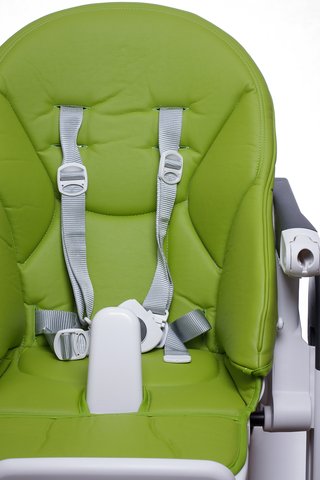
Strap babies into all seats, including:
- feeding chairs
- car seats
- buggies
- prams
- bouncers
Only use equipment and sitting devices with a 5-way safety harness.
Stairs
Install stair gates correctly and keep them closed. Use stair gates at the top and bottom of stairs. Use them at other areas that pose a trip hazard, such as steps at doorways or changes in floor level. Keep steps and staircases clear.
Floors
Do not let you child walk in socks on shiny or wooden floors. They can slip and fall. Use well-fitting slippers or go barefoot instead.
Secure rugs with tape or rubber pads to prevent slipping.
Furniture and TVs
Avoid placing televisions on cabinets or chests of drawers. Babies will often climb onto cabinet drawers to reach the television.
Always secure free-standing equipment and furniture to the wall or floor. You can do this with brackets or straps. If you use straps, keep them out of children's sight and reach.
Windows and balconies
Children are often fascinated by windows. Window restrictors prevent a child from opening windows where they can fall.
Use window restrictors that you do not need a key or spanner open. This could delay you when trying to escape a fire.
Do not place furniture or items a baby can climb onto near window ledges or balcony doors. Do not let babies onto balconies where they could fit through railings or use railings to climb.
Do not use baby walkers
Using a baby walker can put your baby at greater risk of head injuries from falling over or falling down the stairs.
In a baby walker, a child can reach higher than normal. This means they could grab dangerous objects such as kettles and medicines. They are more at risk of burns, scalds and poisoning.
Use an activity centre that does not move, or a play pen instead. These are safer. Only use them for short periods. Do not leave your baby unsupervised.
To support their development, give your baby time on the floor. They may roll, crawl and pull themselves up. You should watch them at all times.
Outdoor hazards
Reduce hazards around the outside of your home. Do not let your baby climb onto a wall unless you are with them.
Check any gates. Make sure they are closed, locked and in good working order.
Make sure there is no equipment or items lying around that a baby could climb onto.