
Fungal nail infections are common. They're not serious, but they can take a long time to clear up.
Symptoms
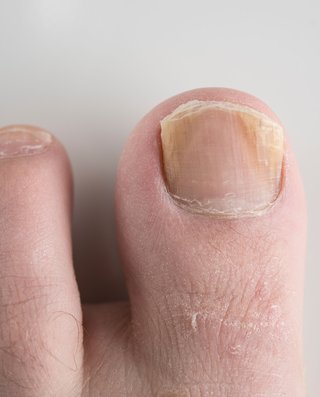
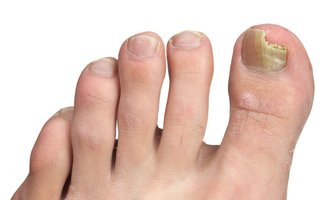
Fungal nail infections usually affect your toenails. You can get them on your fingernails too.
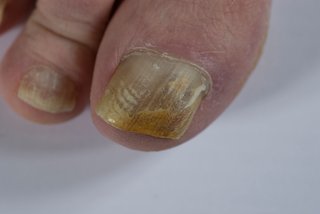
Fungal nail infections can make your nail:
- thicker
- change colour
- brittle
- painful
Non-urgent advice: Contact your GP, diabetes nurse or podiatrist (foot specialist) if:
- you have diabetes and have symptoms of a fungal nail infection
You are also more likely to get a fungal infection if you have a foot injury. It can also lead to complications if you have diabetes.
How to check your feet if you have diabetes
How a pharmacist can help
Talk to a pharmacist if your nail is bothering you or it's painful.
They may suggest trying an antifungal nail medicine that you brush onto the affected nail.
When you see a healthy nail growing back at the base, the infection has cleared up.
Non-urgent advice: Speak to a GP if:
- the nail infection is severe
- treatment has not worked
- the infection has spread to other nails
- you have a weakened immune system - for example, you have had an organ transplant or are having chemotherapy
How a GP can help
Your GP can prescribe antifungal tablets. You'll need to take these every day for up to 6 months.
A topical antifungal lotion is another option your GP can prescribe.
Tablets can have side effects, including:
- headaches
- itching
- loss of taste
- diarrhoea
- liver damage
You cannot take antifungal tablets if you are pregnant. Tell your GP about any conditions you have.
If your nail is badly infected, you may need to have it removed. This is a small procedure done while under local anaesthetic (area is numbed). Some GPs may do this procedure. They may also refer you to a specialist for treatment.
Causes
If you have athlete's foot, the fungus causing it can spread to your toenails. This will cause a fungal nail infection.
You can get a fungal nail infection by:
- walking barefoot where someone with a fungal nail infection or athlete’s foot has walked, such as in changing rooms and showers
- touching your hand or foot against the affected skin of someone with a fungal nail infection or athlete's foot
You're more likely to get it if you have wet or sweaty feet.
Preventing fungal nail infections
There are things you can do to help prevent fungal nail infections.
Do
-
treat athlete's foot as soon as possible to avoid it spreading to nails
-
keep your feet clean and dry
-
change your socks every day
-
wear flip-flops in showers at the gym or pool
-
throw out old shoes
Don't
-
do not wear shoes that make your feet hot and sweaty
-
do not share towels
-
do not wear other people's shoes
-
do not share nail clippers or scissors
Content supplied by the NHS and adapted for Ireland by the HSE
