
Hand, foot and mouth disease is a common viral illness that spreads easily.
It mostly affects young children, especially those under age 10. But older children and adults can get it too.
Most of the time, it’s mild and gets better on its own in 7 to 10 days.
Hand, foot and mouth disease is not the same as foot and mouth disease that affects farm animals. You cannot catch hand, foot and mouth disease from animals.
It can take a few days for symptoms to develop after your child gets the virus.
Symptoms of hand, foot and mouth disease
The first symptoms of hand, foot and mouth disease can be:
- a sore throat
- a high temperature, above 38 degrees Celsius
- not wanting to eat
The second stage usually starts a few days later and symptoms can include:
- mouth ulcers, which can be painful
- a raised rash of spots on the hands and feet, and sometimes the groin area and bottom
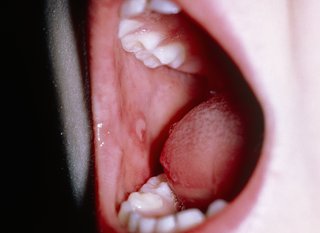
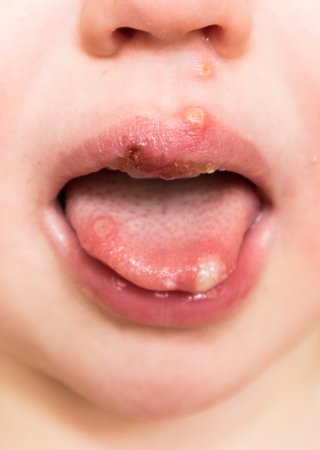
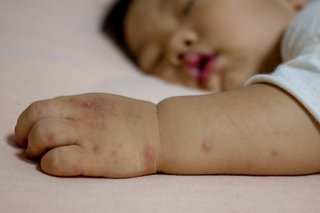
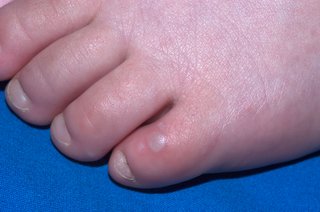
Symptoms in adults and children are usually similar.
Symptoms are usually worse in babies and children under age 5.
You can get hand, foot and mouth disease more than once. But usually your symptoms will not be as bad as the first time.
Sometimes a rash with a high temperature can be symptoms of another serious infection such as meningitis.
If you're worried your child may have meningitis, seek urgent medical help.
How to check for a meningitis rash
How to treat hand, foot and mouth disease in children
Hand, foot and mouth disease usually gets better on its own in 7 to 10 days. There are no medicines to cure hand, foot and mouth disease. Antibiotics do not help because the infection is caused by a virus.
If your child is unwell or has a fever, give them paracetamol or ibuprofen. Only give your child ibuprofen if they are older than 3 months.
There are some other things you can do to help ease your child's symptoms.
Do
-
give them lots of fluids to prevent dehydration
-
give them soft foods like soup, mashed potatoes and vegetables, smoothies and ice cream
-
get older children to rinse their mouth with warm, salty water
Don't
-
do not give them hot or spicy foods
-
do not give them acidic or citrus fruits or fruit juices
Talk to a pharmacist
Speak to a pharmacist for advice about treatments. Mouth ulcer gels, sprays and mouthwashes can help relieve pain. The pharmacist can tell you which ones are suitable for children.
They can tell you which medicines are best for you or your child.
Aspirin should not be given to children under age 16.
When to see your GP
If there's an outbreak of hand, foot and mouth disease at your child's school or preschool, it's likely your child has caught the virus. It is unlikely that you will need to go to your GP for a diagnosis.
Non-urgent advice: Contact your GP about your child if:
- their symptoms do not improve after 7 to 10 days
- if they are less than 3 months old and have a high temperature of above 38 degrees Celsius
- if they have a high temperature of above 38 degrees Celsius for more than 3 days, or are getting worse
- they're not peeing as often as usual and may be dehydrated
- blisters start oozing pus or the skin around them becomes very red
- you are worried about their symptoms
Hand, foot and mouth disease is contagious. Check with your GP's surgery before you go there. They may suggest a phone consultation. This is to prevent spreading the infection.
Test for hand, foot and mouth disease
Your doctor may need to do tests if they are not sure your child has hand, foot and mouth disease.
Tests may include:
- a swab - they rub the back of your child's throat with a small tool that looks like a long cotton bud
- taking a poo sample
These samples will be sent to the lab for testing.
Hand, foot and mouth disease in pregnancy
There's normally no risk to your pregnancy or baby. But avoid close contact with anyone who has hand, foot and mouth disease.
This is because if you have hand, foot and mouth disease shortly before birth, your baby can be born with a mild version of it.
Non-urgent advice: Speak to your GP or midwife if you:
- have been in contact with someone with hand, foot and mouth disease.
- think you have hand, foot and mouth disease
Complications from hand, foot and mouth disease
The most common complications from hand, foot and mouth disease are dehydration and infected blisters.
Dehydration
A sore mouth or throat can make it difficult to swallow. If a child does not drink enough, they can become dehydrated.
Do
-
give them paracetamol or ibuprofen for pain - follow the dosage instructions on the packet
-
offer them drinks regularly - it might help to give them sips through a straw
-
if your child is breastfeeding, offer them regular breastfeeds - it will also help comfort them
If your child becomes severely dehydrated, they may need to go to hospital to get fluids intravenously (into a vein).
Infection
Keep the blistered areas clean to help prevent infection. Wash the skin with lukewarm soap and water, and pat dry.
Do not try to pop the blisters. It increases the risk of bacterial skin infections in the person with blisters and of spreading the virus to others.
Serious complications from hand, foot and mouth disease
The virus causing hand, foot and mouth disease can be dangerous. In very rare cases, it can cause inflammation of the heart, brain or lungs.
Emergency action required: Go to an emergency department (ED) for children if
your child has hand, foot and mouth disease and has any of the following symptoms:
- affected by bright lights
- headache
- stiffness in their neck
- drowsiness (you find it hard to wake them)
- confusion
- seizures
- difficulty breathing
- vomiting
Causes of hand, foot and mouth disease
Hand, foot and mouth disease is most commonly caused by a virus called coxsackievirus.
It's easily passed on to other people. It spreads in coughs, sneezes and poo.
You can become infected if you touch the blisters, poo or saliva of someone with hand, foot and mouth disease.
How to stop hand, foot and mouth disease spreading
You're most likely to give hand, foot and mouth disease to others in the first 5 days after symptoms start.
To reduce the risk of spreading the virus:
- wash your and your child's hands well
- use tissues to trap germs when you cough or sneeze
- bin used tissues as quickly as possible
- do not share towels or household items, like cups or cutlery
- wash soiled bedding and clothing on a hot wash
- wash your hands before preparing food
- do not put your child's soother in your mouth - for example, if it falls to the ground
- wash your hands after changing your child's nappy and clean the changing mat or table
Staying off school, preschool or childcare
Keep your child off school, preschool or childcare while they are feeling unwell.
As soon as they're feeling better, they can go back. There's no need to wait until all the blisters have healed.
Keeping your child home for longer is unlikely to stop the illness from spreading. Your child was probably contagious before they had symptoms.
Tell your child's school, preschool or childcare provider that your child had the virus.
