
Impetigo is a skin infection caused by bacteria.
The infection is usually not serious and gets better in:
- 7 to 10 days if you get treatment
- 2 to 3 weeks without treatment
Impetigo is very contagious. There are things you can do to stop impetigo spreading or getting worse.
Check if you or your child has impetigo
Anyone can get impetigo, but it's very common in young children.
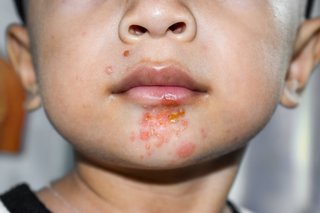
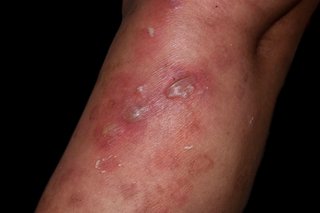
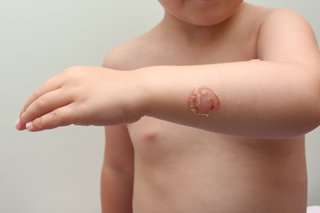
Impetigo starts with red sores or blisters. The redness may be harder to see on brown and black skin.
The sores or blisters can start anywhere. But they usually start on exposed areas such as your face and hands or around your tummy. When the blisters burst, they leave crusty, golden-brown patches.
These patches can:
- get bigger
- spread to other parts of your body
- feel itchy
- feel painful - but pain is not common
When to contact a GP or pharmacist
A GP or most pharmacists can treat impetigo.
A pharmacist can help if:
- the person with impetigo is older than 2 months
- the pharmacy offers the Common Conditions Service
Phone the GP or pharmacist before you go.
The GP or pharmacist can check the infection and recommend treatment. Impetigo can look like more serious infections, such as cellulitis.
Non-urgent advice: Contact a GP if
you or your child has impetigo and
- the infection has spread a lot
- the symptoms change or get worse - even with treatment
- treatment did not work or impetigo keeps coming back
- your child is under 2 months
- another condition affects their immune system - for example, diabetes
Treatment for impetigo
If you have impetigo, your GP or pharmacist can prescribe an antibiotic cream to speed up recovery.
If the impetigo has spread a lot, you may need to see a GP. A GP can prescribe antibiotic tablets.
Keep using the treatment for as long as the GP or pharmacist recommends. If you stop treatment early, the impetigo can spread again.
If impetigo keeps coming back
A GP can take a swab from around your nose to check for the bacteria that causes impetigo.
They might prescribe an antiseptic that you put in your nose. This treatment is to try to clear the bacteria and stop the impetigo coming back.
How to stop impetigo spreading or getting worse
Impetigo can spread to other parts of your body or to other people until it stops being contagious.
It stops being contagious:
- 48 hours after you start the recommended treatment
- when the patches dry out and crust over - if you do not get treatment
To help stop impetigo spreading or getting worse while it's contagious:
Do
-
stay at home
-
keep sores, blisters and crusty patches clean and dry
-
cover infected areas with loose clothing or gauze bandages
-
wash your hands often
-
wash your face cloths, sheets and towels at a high temperature
-
clean toys with soap and warm water if your children have impetigo
Don't
-
do not touch or scratch the infected areas
-
do not have close contact with children, or people with diabetes or a weakened immune system
-
do not share face cloths, sheets or towels
-
do not prepare food for other people
-
do not go to the gym or play contact sports
How to avoid getting impetigo
Impetigo usually infects damaged skin.
To avoid infection:
- clean cuts, scratches and insect bites with warm water and soap
- get treatment for skin conditions, such as eczema
