
Ingrown hairs cause bumps where a hair has grown back into the skin. They can be itchy.
You usually do not need to contact a GP to treat ingrown hairs.
Check if you have ingrown hairs
Ingrown hairs look like raised bumps on the skin. Sometimes you can see a hair trapped under the skin.
On white skin the bumps may look red.
Redness may be harder to see on black or brown skin. The bumps may look like a different colour to the surrounding skin.
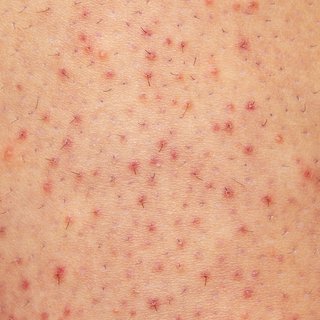
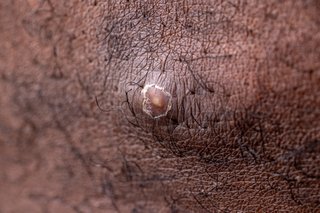
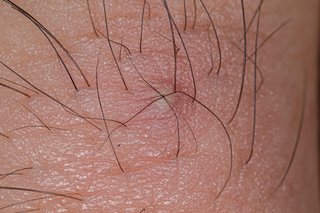
Ingrown hairs can become infected.
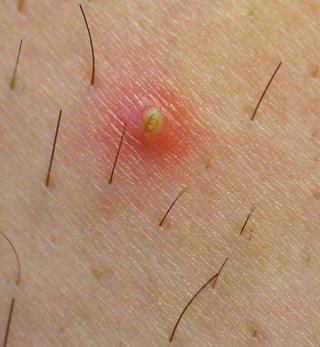
You are more likely to get ingrown hairs in areas you shave, such as your:
- face and neck
- pubic area
- legs
- armpits
- chest
- back
Waxing, plucking and threading hair can also cause ingrown hairs.
Ingrown hairs are more common in people with coarse or curly hair.
Things you can do to prevent ingrown hairs
The best way to prevent ingrown hairs is by not shaving.
If you want to shave or remove hair, there are things you can do to prevent ingrown hairs and help them get better quickly.
Do
-
wet your skin with warm water
-
use shaving gel
-
shave in the direction the hairs are growing
-
use a clean, sharp, single-blade razor every time you shave
-
try a different hair removal method, such as hair removal cream
-
try a long-term way of removing hair, such as laser treatment
Don't
-
do not shave too close to your skin - leaving some stubble can stop bacteria getting in
-
do not stretch your skin when you shave
-
do not use a blunt razo
-
do not scratch, pick or squeeze ingrown hairs - this can damage your skin and lead to infection
Getting help from a pharmacist
Ask your pharmacist about:
- creams and lotions to help itching
- shaving and hair removal products to prevent irritation
Non-urgent advice: Contact your GP if:
- the ingrown hair or area around it is very painful, hot, red or swollen
- you feel hot, shivery, very unwell or have a high temperature (38 degrees Celsius or above)
Treatment from a GP
Your GP may remove the ingrown hair with a sterile needle or blade (scalpel).
They may also prescribe:
- a steroid cream to help swelling and irritation
- an antibiotic cream or tablets to treat an infection
Content supplied by the NHS and adapted for Ireland by the HSE
