
Peak flow is a measurement of how quickly you can blow air out of your lungs. It can be used to help diagnose and monitor asthma.
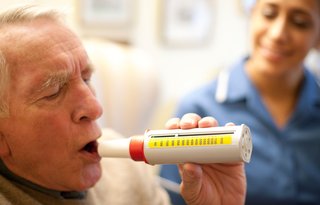
You may get a peak flow meter on prescription, or you can buy one from most pharmacies.
Measuring peak flow
Your peak flow score measures how fast you're able to breathe out. It can show if your airways are narrowed.
Narrowed airways could be a sign that you have asthma. But you may need other tests to confirm your diagnosis, such as spirometry.
If you have asthma, checking your peak flow regularly can be a useful way of monitoring your condition. It is a good idea to have a record of your personal best peak flow (your reading when you are well and have no symptoms).
It can show if:
- your asthma is getting worse
- your medicine is working
- you're having an asthma attack
Measuring your peak flow before and after exposure to a possible asthma trigger may also show what is causing your symptoms.
How to measure your peak flow
You can measure your peak flow at home to monitor your asthma. Your GP or nurse will show you how to do this.
To measure your peak flow:
- Find a comfortable position, either sitting or standing.
- Reset your peak flow meter so the pointer is pushed back to the first line of the scale - this is usually 60.
- Hold the peak flow meter so it's horizontal. Make sure that your fingers are not blocking the measurement scale.
- Breathe in as deeply as you can and place your lips tightly around the mouthpiece.
- Breathe out as quickly and as hard as you can.
- When you've finished breathing out, make a note of your reading.
Do this 3 times. The highest of the 3 measurements is your peak flow score.
Record your score in a diary or chart.
How to measure peak flow (video)
Your peak flow score
Your peak flow score will be displayed on the side of your peak flow meter. This is given in litres of air breathed out per minute (l/min).
What is considered a normal score depends on your age, height and gender.
A big difference between your current and best score could be a sign that:
- your condition is becoming poorly controlled
- you're having an asthma attack
What to do if your peak flow is low
If you have asthma, your personal asthma action plan can give you instructions on what to do if your peak flow is:
- 80 to 100% of your personal best
- 50 to 80% of your personal best
- less than 50% of your personal best
If your peak flow is low, your inhaler may help. Or you may need to get medical help.
Non-urgent advice: Contact your GP or practice nurse if:
- you're concerned about your peak flow score and do not know what to do
- you've been diagnosed with asthma and do not have an action plan
