
Pityriasis versicolor is a common skin infection. It causes small patches of your skin to become scaly and change colour. The patches usually develop gradually. They sometimes join up over time.
Pityriasis versicolor is harmless. The patches are sometimes itchy.
Pityriasis versicolor happens more often:
- in the summer
- on light skin
You may notice the patches do not tan in the sun.
A GP can prescribe treatment for pityriasis versicolor. But it may keep coming back.
Check if you have pityriasis versicolor
The areas most often affected by pityriasis versicolor are the:
- back
- chest
- upper arms
- neck
- tummy
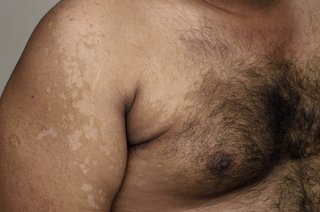
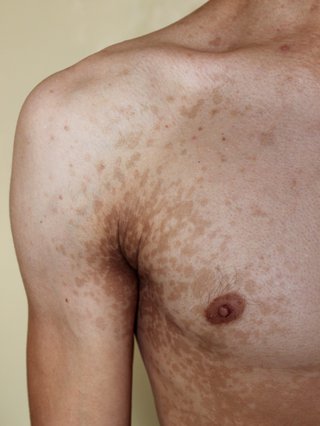
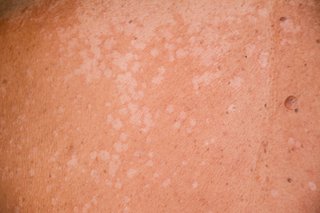
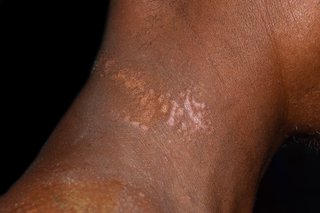
If you are not sure it is pityriasis versicolor
Other conditions can have similar symptoms to pityriasis versicolor.
For example:
- vitiligo - a long-term condition where pale white patches develop on the skin
- psoriasis - a condition that causes flaky, raised patches
Do not try to diagnose the condition yourself. Contact a GP if you are worried.
Pityriasis versicolor and vitiligo
Pityriasis versicolor can sometimes be confused with vitiligo.
But there are ways to tell the difference.
Vitiligo:
- often affects both sides of your body at the same time
- usually has the same texture as the rest of your skin
- is more common around the mouth, eyes, fingers, wrists, armpits and groin
Pityriasis versicolor:
- does not affect both sides of the body at the same time
- usually has a slightly scaly texture compared to the rest of your skin
- tends to develop on the back, chest, upper arms, neck and tummy
Non-urgent advice: Contact a GP if:
- patches of your skin have changed colour
- you have other changes to your skin that you are worried about
Treatment from a GP
A GP can prescribe treatment for pityriasis versicolor.
The main treatments are:
- antifungal shampoo (such as ketoconazole) that you use on the affected skin and rinse off after a few minutes
- antifungal cream
A GP may prescribe antifungal tablets if:
- pityriasis versicolor covers a large area
- shampoos and creams do not work
After treatment, it can take a few months for the skin to return to its usual colour.
If pityriasis versicolor comes back
It is common for pityriasis versicolor to come back after treatment.
This can happen during:
- summer in Ireland
- trips to warm and humid countries
Use antifungal shampoos regularly to reduce the risk of pityriasis versicolor coming back.
Your GP may prescribe antifungal tablets to take a few times a month to stop it coming back.
They may also refer you to a dermatologist (skin specialist).
How you get pityriasis versicolor
Pityriasis versicolor is caused by a type of yeast.
Most people have this yeast on their skin without it causing any problems. But sometimes the yeast can grow and spread more than usual. It is not always clear why this happens.
Pityriasis versicolor cannot spread from person to person.
Content supplied by the NHS and adapted for Ireland by the HSE