
Threadworms (pinworms) are tiny worms in your poo.
They're common in children and spread easily. You can usually treat them at home with advice from your pharmacist.
Symptoms of threadworms
You can spot worms in your poo. They look like pieces of white thread and can be up to 1 centimetre long.
See what threadworms look like in poo
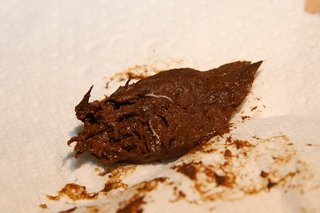
You may see them around your child's bottom (anus). The worms usually come out at night while your child is sleeping. You may spot threadworms on bed clothes or sheets.
Threadworms can cause severe itching around the anus or vagina, especially at night. This can disturb sleep.
Less common signs of worms
Other signs of worms include:
- wetting the bed
- irritated skin around the anus
- weight loss
Causes of threadworms
You can get threadworms if you swallow threadworm eggs. Threadworms lay eggs around your anus. The eggs cause itching. If you scratch the area around your anus, the eggs get stuck on your fingers.
Threadworm eggs can pass on to anything you touch, including:
- clothes
- toys
- toothbrushes
- kitchen or bathroom surfaces
- bedding
- food
- pets
Eggs can pass to other people when they touch surfaces contaminated with eggs. If they touch their mouth, the eggs enter their system. Threadworm eggs take around 2 weeks to hatch.
Children can get threadworms again after treatment. To prevent threadworms, encourage children to wash their hands regularly.
Treatment for threadworms
A pharmacist can help with threadworms.
You can buy medicine (mebendazole) to treat threadworms from pharmacies without a prescription. This is usually a chewable tablet or liquid that you swallow.
Treat everyone in your household, even if they do not have symptoms.
You only need to see your GP if:
- you think you have threadworms and you're pregnant or breastfeeding
- your child has threadworms and they're under age 2
- you still have signs of infection 1 month after treatment
You do not need to stay off school, nursery or work with threadworms.
Hygiene measures
Medicine kills the threadworms, but it does not kill the eggs. Eggs can live for up to 2 weeks outside the body.
You need to follow hygiene measures to reduce the risk of swallowing more eggs.
Do
-
wash your hands with soap and a nail brush - especially before you eat and after you use the toilet or change nappies
-
bathe or shower every morning
-
rinse toothbrushes before you use them
-
keep your fingernails short
-
wash sleepwear, sheets, towels and soft toys - 60 degrees celsius kills threadworm eggs but check the temperature to use on the label of the item
-
disinfect kitchen and bathroom surfaces
-
vacuum and dust with a damp cloth
-
make sure children wear underwear at night
-
change underwear every morning
Don't
-
do not shake clothing or bedding - this is to prevent eggs landing on other surfaces
-
do not share towels or face cloths
-
do not bite nails or suck thumbs and fingers
Content supplied by the NHS and adapted for Ireland by the HSE

