
Warts and verrucas are small lumps on the skin. Most people have them at some point in their life.
They are caused by a virus and can be passed on from person to person, especially children. They usually go away on their own, but it may take months or even years.
Check if you have a wart or verruca
Warts and verrucas come in different shapes and sizes.
Common warts
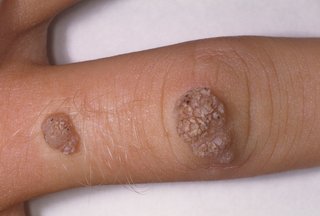
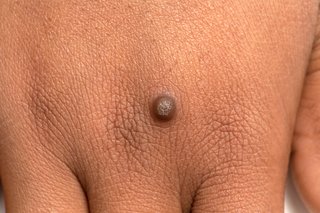
A common wart may be round or oval-shaped and feel firm and rough. It sometimes looks like a tiny cauliflower.
Warts usually appear on palms, knuckles, knees and fingers. But they can appear on other parts of the body too.
Verrucas (plantar warts)
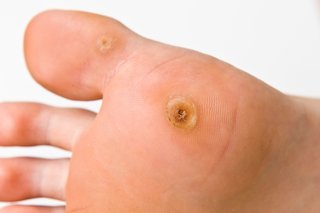
Verrucas are usually on the bottom of your feet. They are usually flat and have tiny black dots under the hard skin.
Plane warts
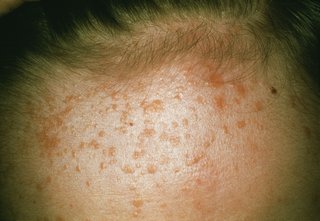
Plane warts are round, flat and can be yellow, brown, or pink. You can have many of them. Plane warts mainly affect the hands, face and legs.
Mosaic warts
Mosaic warts are clusters of warts spread over an area of skin. They are common on hands and feet.
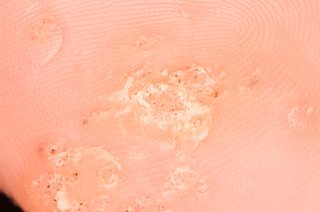
Genital warts
Genital warts are a common sexually transmitted infection (STI). You can get it from any physical or sexual contact of the genital area, even if you use a condom.
Sexual contact includes:
- any skin-to-skin contact of the genital area
- vaginal, oral or anal sex
- sharing sex toys
Genital warts can be treated by your GP, or at an STI or GUM (genitourinary medicine) clinic.
Genital warts - sexualwellbeing.ie
Treating warts
Warts do not cause you any harm. Some people find them itchy or painful.
Non-urgent advice: Talk to your GP if:
- you're worried about a growth on your skin
- you have a wart or verruca that keeps coming back
- you have a large or painful wart or verruca
- a wart bleeds, gets bigger or changes colour
- you have a wart on your face or genitals
Salicylic acid
You can buy creams, plasters and sprays that contain salicylic acid from your pharmacy.
Salicylic acid helps to destory the wart virus. It works by dissolving the wart and the surrounding dead skin, allowing it to peel away in layers.
These treatments can take up to 3 months to work. They may irritate your skin and do not always work.
Important
Do not use salicylic acid treatments on your face.
Freezing a wart (cryotherapy)
Your GP freezes a wart or verruca so that it scabs over. Usually it falls off a few weeks later. This may take a few sessions. Your GP may prescribe creams or other treatments if freezing does not work.
How to stop warts and verrucas spreading
Warts and verrucas can be spread through skin-to-skin contact or contaminated surfaces with the virus. You're more likely to spread a wart or verruca if your skin is wet or damaged.
It can take months for a wart or verruca to appear.
Do
-
wash your hands after touching a wart or verruca
-
change your socks everyday if you have a verruca
-
cover warts and verrucas with a plaster when swimming
-
take care not to cut a wart when shaving
Don't
-
do not share towels, face cloths, socks or shoes if you have a wart or verruca
-
do not walk barefoot in shared and public places if you have a verruca
-
do not bite your nails or suck your fingers with warts on them
-
do not scratch or pick a wart
